How Quincy High School Turned Student Voice into Accreditation Success

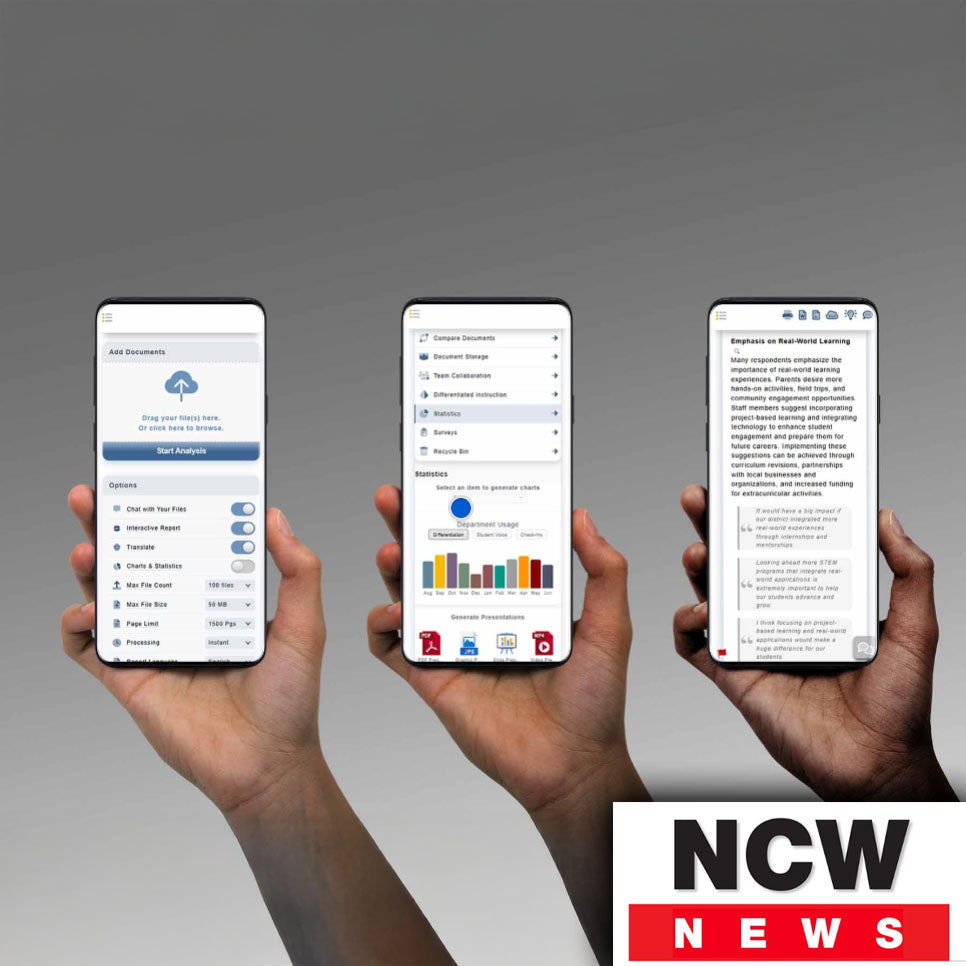
Quincy High School earned accreditation from NWESD 189, not just by checking boxes, but by checking in with their students. Their learner-centered approach used Student Story to highlight personal narratives, creating a transformative culture where young people actively lead the conversation on their own education.
We are especially honored that the accreditation board highlighted Quincy's use of Student Story as a key driver of their success. In their official report, the board described Student Story as a "tremendous asset," recognizing its role in guiding major initiatives such as the School Improvement Plan and supporting teachers in making informed, data-driven decisions in the classroom every day.
Quincy demonstrates what’s possible when a school prioritizes student voice over traditional top-down approaches. By committing to this innovative model, they ensured that real student perspectives would shape the school’s path forward.
Here is a closer look at their approach.
Personalizing the School Improvement Plan
Reviewing Quincy’s Process Summary Verification makes it clear that Student Story played a central role in their planning process, helping leaders make confident decisions that truly reflect student needs and priorities.
The Building Leadership Instructional Team (BLIT) used our platform to take the guesswork out of strategy. Instead of assuming what students needed, they gathered thousands of narrative responses to build a plan based on actual needs.
1. Understanding the Why
Like most schools, Quincy High had plenty of hard numbers. They were already tracking SBA scores, STAR data, WIDA scores, and National Student Clearinghouse (NSC) reports. But numbers alone rarely explain why trends are happening.
To bridge that gap, the school used Student Story to layer rich, qualitative insights on top of those metrics.
✅ The Approach: Students shared honest stories about their learning experiences.
✅ The Analysis: Student Story aligned personal stories with the performance data.
✅ The Result: The administration didn’t just get a spreadsheet. They got research-based strategies that addressed how students experience learning in different contexts.
2. Goals That Stick
Creating clear, measurable goals can be difficult. Student Story helped eliminate guesswork by grounding every goal in data, ensuring objectives were clear, measurable, and truly relevant.
By synthesizing the student narratives, the leadership team was able to pinpoint specific equity focus areas, particularly for their multilingual learners and struggling readers. This clarity allowed them to move beyond general ideas and use a custom Student Story tool to help write their SIP goals in a precise SMART goal format. Every objective was realistic, time-bound, and directly responsive to what students were asking for.
3. Empowering Teachers with the Right Tools
The impact of Student Story did not stop at the principal's office. It became part of the regular rhythm for teachers as well.
The accreditation report noted that Student Story "was very effective" in helping Professional Learning Communities (PLCs) figure out exactly how to make lessons more engaging.
Teachers used the platform to regularly gather student voice via open-ended questions and adjust their instruction in real-time based on feedback.
Additionally, these same methods were directly incorporated into their TPEP (Teacher/Principal Evaluation Program) growth goals, allowing for a clear connection between student input and professional development.
The Official Verdict: "A Tremendous Asset"
The most validating part of this process was reading the final AESD Accreditation Recommendation Report. The visiting team did not just approve the school; they offered a specific commendation about the culture of listening that Quincy has built:
"The development of the Student Story program is a tremendous asset in using feedback from students as stakeholders. It also empowers and encourages students that they are being listened to. It reinforces to the teachers who they serve."
The board also noted that this student-driven input was the main reason the school has been able to expand Career and Technical Education (CTE) opportunities that students are excited about.
A Model for Data-Informed Schools
Quincy High School proves that you don’t have to choose between performance metrics like STAR and the authentic perspectives found in student stories. Bringing these two worlds together creates a system of improvement that is rigorous, research-based, and deeply human.
We are incredibly proud of the work and dedication of the Quincy community. The widespread commitment to building a school culture where everyone feels heard is truly inspiring, and we are honored to be a part of that story.
Is your SIP or strategic plan on the horizon? Start early to maximize impact and transform student voice into your school’s greatest advantage with Student Story.